Not just pixel art.
Every 2D game art style.
SpriteShip isn't a pixel-art tool — pixel art is one of ten built-in style presets, and you can type your own on top of that. Generate anime, watercolor, cel-shaded, hand-drawn, dark fantasy, low poly, realistic — whatever your game wants to look like. The pipeline doesn't care about style; the prompt does.
No credit card. No watermarks. Commercial use included.
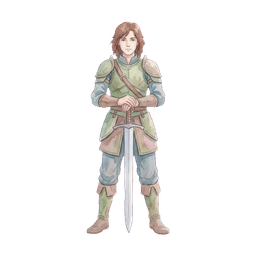
Ten built-in style presets. Or describe your own.
Pick a style when you create a project and every asset generated inside it matches — characters, tilesets and backgrounds included.
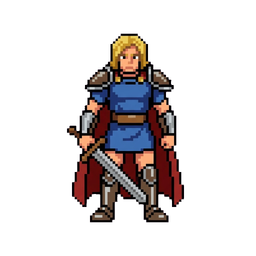
Pixel art
Crisp 8 / 16 / 32-bit aesthetics.
Retro platformers, roguelikes, jam games.
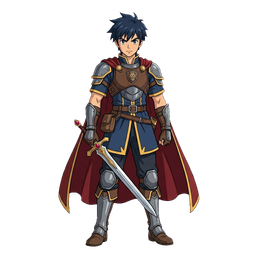
Anime
Japanese animation aesthetic, expressive faces.
JRPGs, dating sims, visual novels.
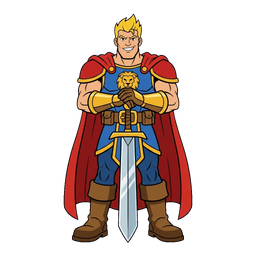
Cartoon
Bold outlines, exaggerated proportions.
Casual mobile, kid-friendly games.
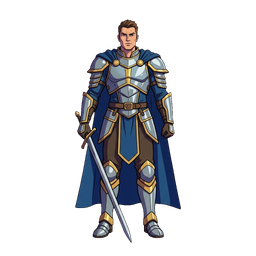
Cel-shaded
Flat colors, hard shadows. Borderlands / Genshin energy.
Stylized action games, anime-adjacent RPGs.
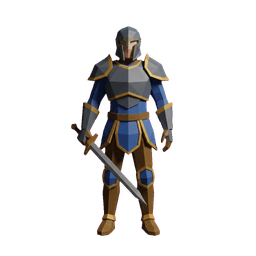
Low poly
Geometric, faceted, modern indie look.
Stylized 3D-inspired 2D, minimalist puzzlers.
Watercolor
Soft brush textures, painterly atmosphere.
Atmospheric narratives, cozy games, picture-book RPGs.
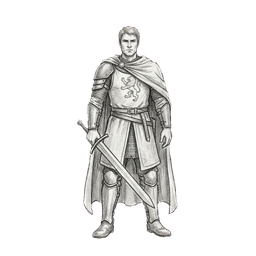
Hand-drawn
Sketched lines, inked outlines.
Cuphead-style action, illustrated adventures.
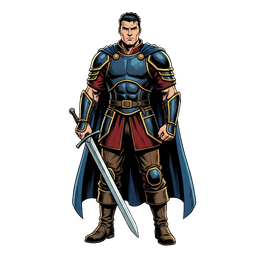
Comic book
Dynamic panels, halftones, bold inks.
Superhero beat-em-ups, action-comics aesthetic.
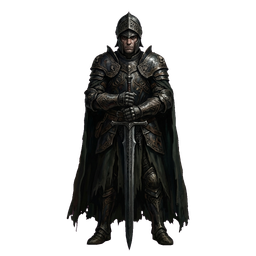
Dark fantasy
Gritty, moody, Souls-like atmosphere.
Metroidvanias, dark dungeon-crawlers, horror RPGs.
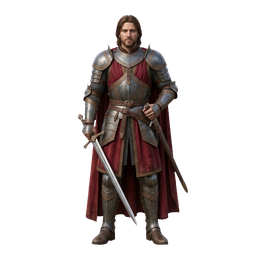
Realistic
Photoreal textures and lighting.
Top-down tactical, simulation games.
Style stays consistent across the whole project.
The style you pick becomes part of every prompt the project sends, so a character generated on day one and a tileset generated on day nine still look like they belong in the same game. Change it later and regenerate — nothing is baked in.
Let your coding agent do it.
Style lives on the project, so an agent generating a new asset inherits it automatically — it cannot accidentally produce a pixel-art prop for your watercolor game.